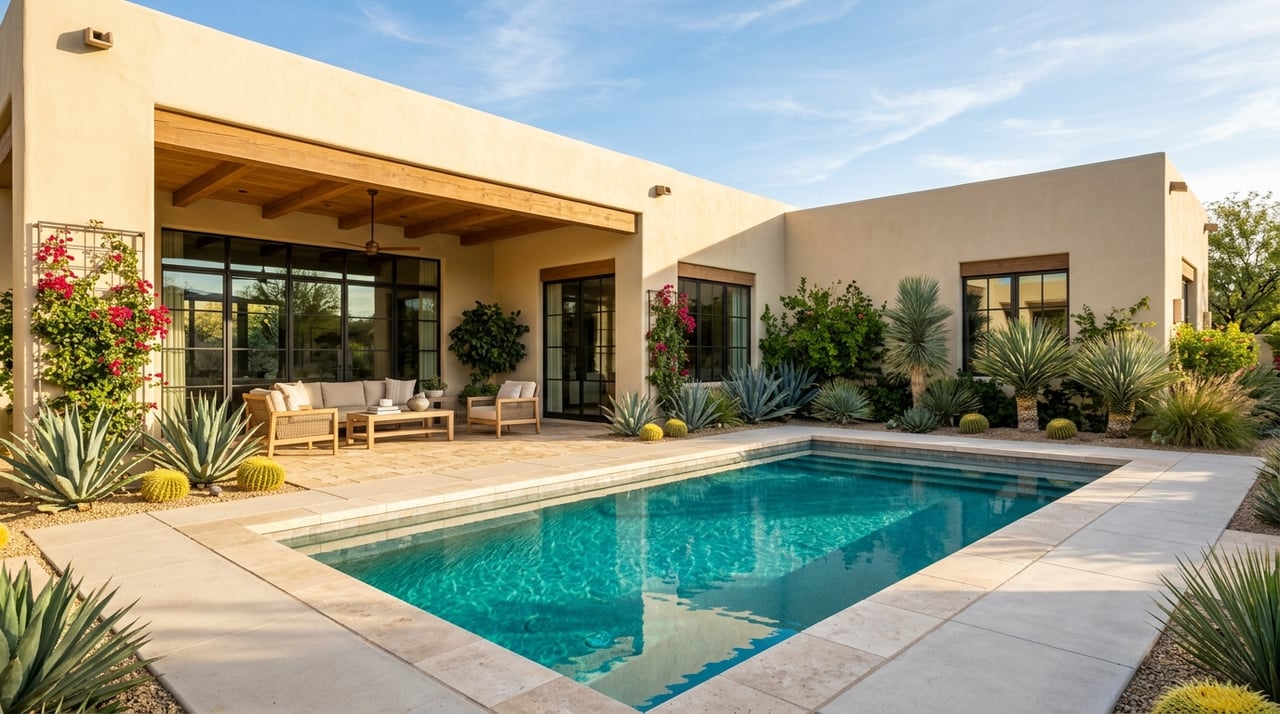
How To Choose A Palm Desert Golf Community
June 18, 2026
June 18, 2026
Trying to choose a Palm Desert golf community by course name alone can lead you in the wrong direction. What matters most is how you actually plan to live, play, host, and possibly rent the home. If you want a better way to compare your options, this guide will help you sort through club models, home styles, seasonal rules, and lifestyle fit so you can narrow the field with confidence. Let’s dive in.
Before you compare fairways, start with your day-to-day goals. Some Palm Desert buyers want a private, club-first experience with full wellness, dining, and social programming, while others want flexible golf access without a heavy club structure.
That difference matters because Palm Desert communities are not built on one model. Across the city, you will find private equity clubs, non-equity membership clubs, invitation-based clubs, HOA-linked social clubs, semi-private or public golf operations, and communities where golf access is optional or handled separately.
If you are buying a primary home, a second home, or a seasonal retreat, your ideal fit may look very different. The right choice usually comes down to how often you will be in town, how much you want to use the club, and whether you want golf to be central to your lifestyle or simply nearby.
The biggest difference between Palm Desert golf communities is whether club access is automatic, optional, invitation-based, or tied to ownership. This affects your costs, your flexibility, and sometimes your resale considerations.
Some communities are truly club-first. BIGHORN, for example, uses a non-equity, non-voting, non-refundable, non-transferable membership license, which makes the membership structure an essential part of the decision. Marrakesh also ties full membership to residential ownership, with non-resident membership by invitation only.
Other communities use a different approach. Indian Ridge describes itself as a member-owned equity club with two HOAs, while Monterey Country Club and Palm Valley Country Club use invitation-based membership systems. The Lakes includes social membership in HOA dues, and Chaparral makes all homeowners automatic social members.
Then there are more flexible models. Desert Falls offers annual, seasonal, and play-pass options, while Palm Desert Resort Country Club offers annual, monthly, and seasonal golf memberships. Palm Desert Country Club is closer to a public-course model, which may appeal to buyers who want golf nearby without a private-club obligation.
Palm Desert golf communities also vary widely in housing style and overall feel. If you want a custom estate setting, your shortlist will likely look very different from someone searching for a lock-and-leave condo.
At the lower-density end, communities such as BIGHORN and Ironwood are known for more estate-style or mixed luxury housing options. These can appeal to buyers who want more space, a more custom residential feel, or a property suited to full-time living and entertaining.
At the higher-density end, communities like The Lakes, Palm Desert Resort Country Club, and Oasis include condominium, attached, or paired-home formats. These can be appealing if you want easier upkeep, a simpler seasonal setup, or a lifestyle centered around shared amenities.
A few examples show how much variety exists. Marrakesh has 364 homes on 155 acres, Indian Ridge has 1,068 homes, The Lakes has 902 condos, Palm Desert Resort Country Club has 960 homes, Oasis has 662 dwelling units, and Palm Desert Country Club has more than 1,000 homes.
Density can shape your experience in subtle but important ways. It may affect views, privacy, walkability to amenities, traffic patterns within the community, and how “active” the neighborhood feels during peak season.
It also influences maintenance expectations and ownership style. Buyers who want a true lock-and-leave second home often prioritize easy exterior upkeep, while buyers seeking a more custom desert residence may prefer a different setup.
Seasonal living is common in Palm Desert, so leasing and rental rules deserve close attention. Even a beautiful home in the right location can become the wrong fit if the community rules do not support how you plan to use it.
If you expect to spend only part of the year in Palm Desert, ask about minimum lease terms and tenant privileges. Indian Ridge allows long-term leases and 90-day minimum seasonal leases. Oasis offers tenant golf packages and an introductory golf membership for new owners, while Chaparral has renter golf memberships and Palm Desert Resort Country Club offers monthly and seasonal golf memberships.
If you plan to rent the home for shorter stays, city rules matter too. In Palm Desert, short-term rentals are defined as stays of 27 consecutive nights or less, and they require a city permit. In HOA communities, an annual HOA approval letter may also be required.
It is easy to focus on the course and overlook the rest of the lifestyle. In Palm Desert, many golf communities are just as much about racquet sports, wellness, dining, pools, and social programming as they are about tee times.
Indian Ridge includes tennis, pickleball, fitness, a spa, and three restaurants alongside its two 18-hole courses. Palm Valley pairs 36 holes with racquet sports, a spa and athletic club, and a Jr. Olympic-size pool. The Lakes emphasizes 27 holes, racquet and wellness offerings, pools, jacuzzis, and broad club programming.
Other communities may suit a more casual or flexible routine. Chaparral features an 18-hole par-60 Ted Robinson course and 16 pickleball courts after renovation. Desert Falls blends golf with dining, happy hours, events, pickleball, and social functions. Oasis includes 22 lakes, 18 pools and spas, and a 60-par executive course.
The key is simple: choose the amenities you will actually use. A household that plays pickleball, values a fitness center, and enjoys dining out on property may prioritize very different communities than a buyer focused mainly on golf access and low-maintenance ownership.
Not every Palm Desert golf community offers the same level of exclusivity. That is why it is important to confirm whether the course is private, semi-private, or open to public play.
Some buyers want a fully private environment. Others prefer more flexibility and may not mind a semi-private or public-access setup. Palm Desert Country Club, for example, centers on a public daily-fee golf course, while Oasis allows public play when tee times are available, though owners of record must have a membership to play.
This distinction can affect everything from availability and atmosphere to how the community feels during the season. It can also shape the long-term value proposition for your lifestyle, especially if you expect to host guests or use the club often.
In some Palm Desert communities, golf carts are not just recreational. They are part of daily movement and convenience. If that matters to your routine, ask whether golf-cart use is practical both inside and outside the gates.
Palm Desert allows residents to register golf carts for street use if the cart meets city and state safety standards. The permit costs $10 and is valid for two years. For buyers who picture quick cart trips as part of desert living, that is a useful detail to factor into the decision.
A quick snapshot can help you narrow your search faster.
BIGHORN, Indian Ridge, Ironwood, and Marrakesh tend to stand out for buyers who want a stronger club identity and a more elevated residential experience. These communities differ in membership structure, home type, and intensity of club integration, so it is smart to compare the details closely rather than grouping them together.
Monterey Country Club, Palm Valley Country Club, The Lakes, and Chaparral often appeal to buyers who want a mature community with active amenities and established club culture. Here, the biggest variables are housing style, membership structure, and how golf and social access connect to ownership.
Desert Falls, Oasis, Palm Desert Resort Country Club, and Palm Desert Country Club may appeal to buyers looking for more flexible access, more approachable golf models, or a simpler seasonal-use setup. These communities can be especially worth a look if you want Palm Desert golf living without the most rigid private-club framework.
One of the easiest mistakes buyers make is confusing Palm Desert Resort Country Club with Palm Desert Country Club. They are not the same community, and they operate very differently.
Palm Desert Resort Country Club is the gated Resorter with a self-managed HOA, 24-hour attended gate, 20 pools and spas, 28 pickleball courts, 7 tennis courts, and flexible golf membership options. Palm Desert Country Club is a separate 1,000-plus-home community centered on a public daily-fee course with a more traditional HOA rule structure.
If you are serious about choosing the right Palm Desert golf community, compare each option through three filters: club model, home form, and seasonal fit. That approach gives you a clearer picture than course prestige alone and helps you focus on how the property will function in real life.
For many buyers, the best choice is the one that feels easy after the purchase. The membership structure makes sense, the home type supports your routine, the amenities fit your habits, and the rules align with how you plan to use the property.
When you are ready to evaluate golf communities with a more strategic lens, Scott James Properties can help you compare lifestyle fit, ownership structure, and resale considerations across Palm Desert with concierge-level local guidance.
Stay up to date on the latest real estate trends.
We pride ourselves in providing personalized solutions that bring our clients closer to their dream properties and enhance their long-term wealth. Contact us today to find out how we can be of assistance to you!