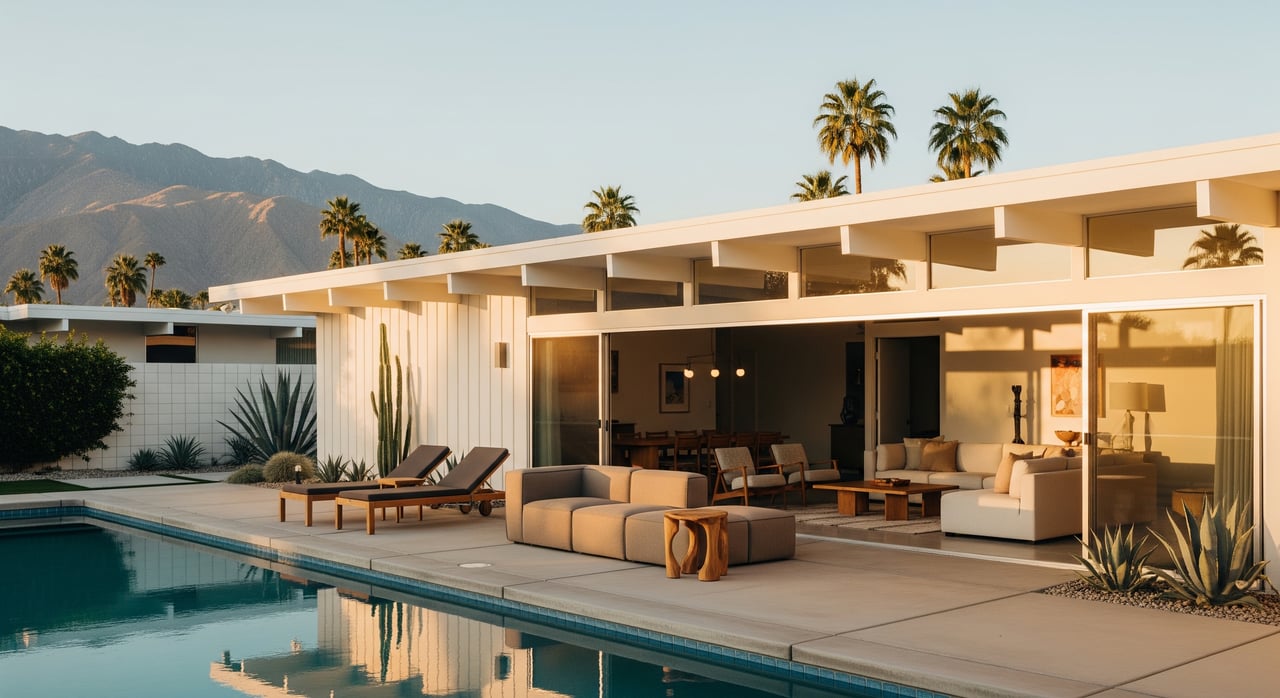
What Mid-Century Living Looks Like In Palm Springs
February 5, 2026
February 5, 2026
If the clean lines of a butterfly roof and the glow of a pool at dusk speak to you, Palm Springs might feel like home the moment you arrive. You want a place that blends design, ease, and desert lifestyle without sacrificing comfort. In this guide, you will learn what defines mid-century living here, where to find it, what drives value, and how to navigate updates and ownership with confidence. Let’s dive in.
Palm Springs is a global center of mid-century modern architecture, shaped by the desert modernism movement from the 1940s through the 1960s. Postwar optimism, celebrity escapes, and a push to live both inside and outside influenced how homes were designed. Architects like Albert Frey, E. Stewart Williams, William Krisel, Donald Wexler, and John Lautner helped define a regional style that still draws buyers today. Community groups and local programs continue to document and preserve this heritage, which keeps the city’s architectural identity strong and visible.
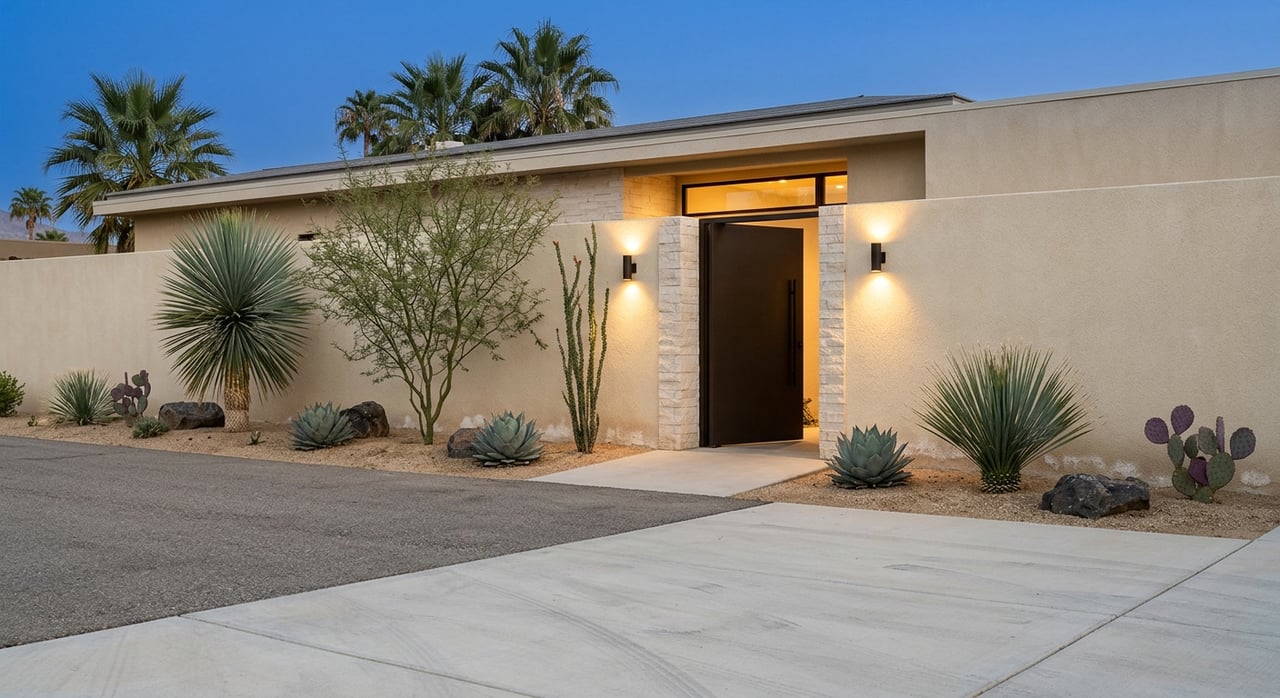
You will see low-slope and flat roofs, plus the iconic butterfly roof that lifts light and views. Many homes use post-and-beam construction that allows larger panes of glass and wider rooms. Ornament is minimal and the structure often becomes part of the design. In some architect-designed homes, exposed steel offers a sleek, durable profile suited to the desert.
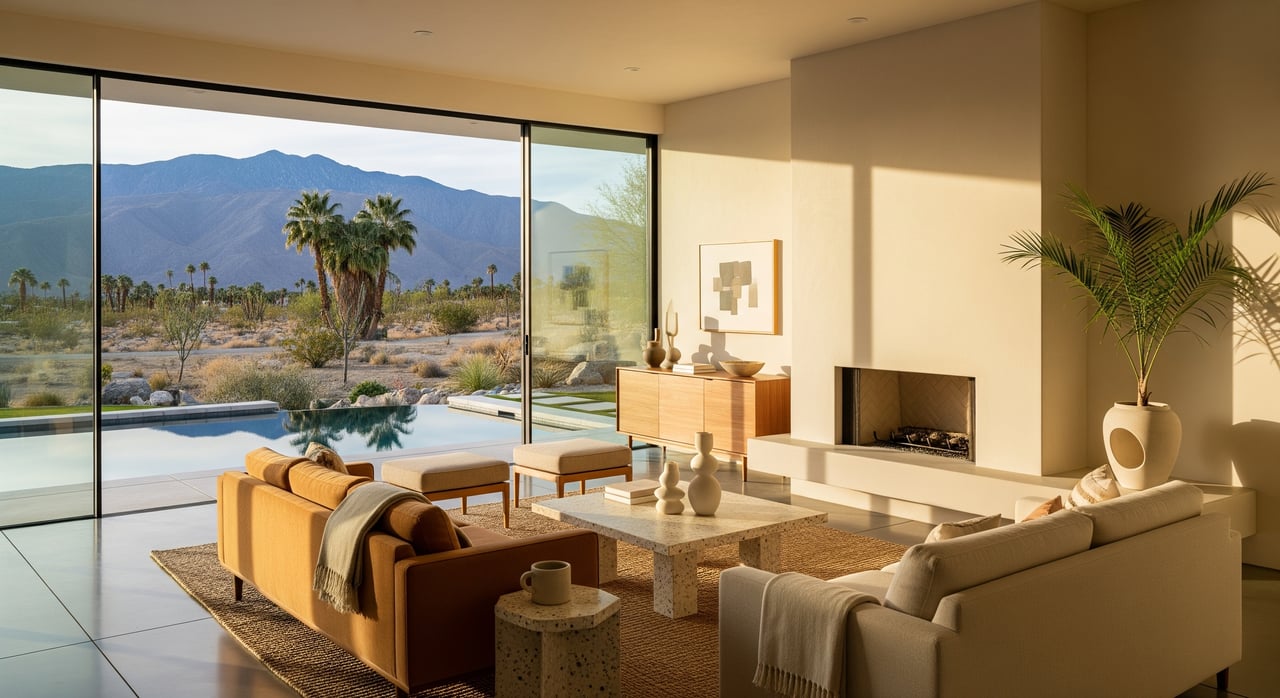
Large sliding doors, floor-to-ceiling glass, and clerestory windows frame mountain views and flood rooms with light. Corner glazing removes visual barriers to the outdoors. Shade is built in through broad overhangs to cut heat and glare while keeping the indoor-outdoor connection intact. The result is a home that lives larger than its square footage.
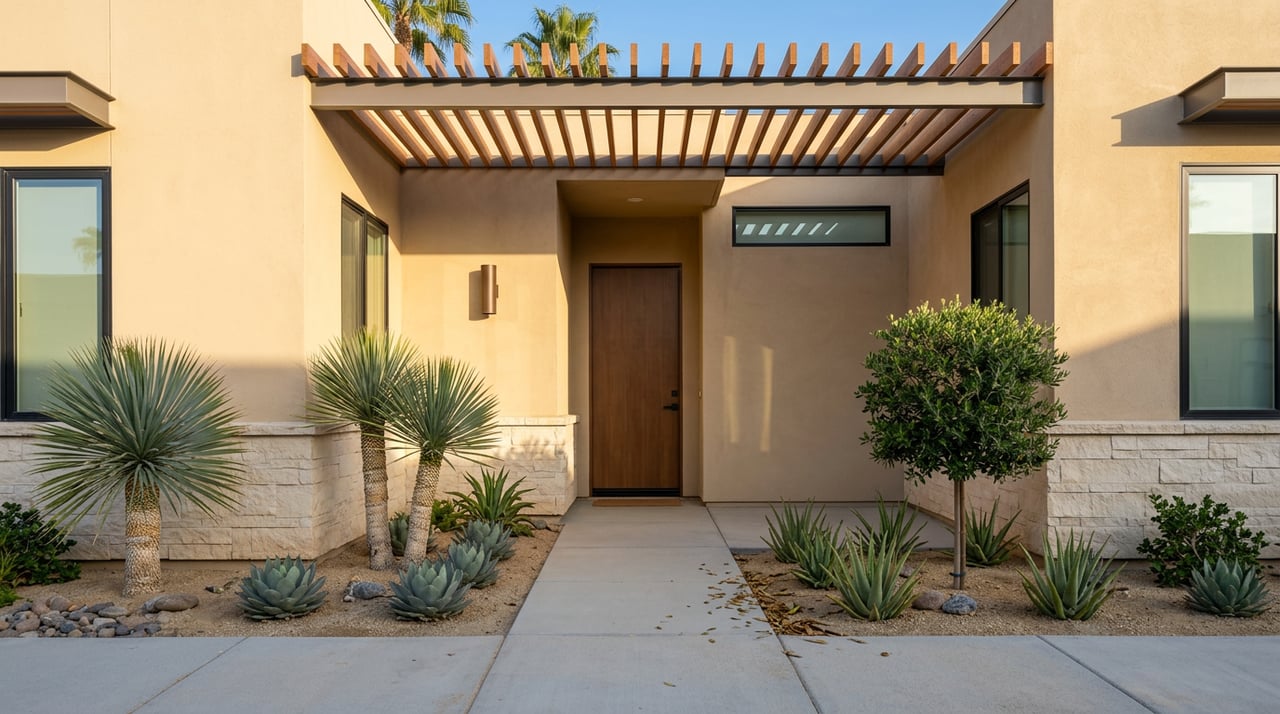
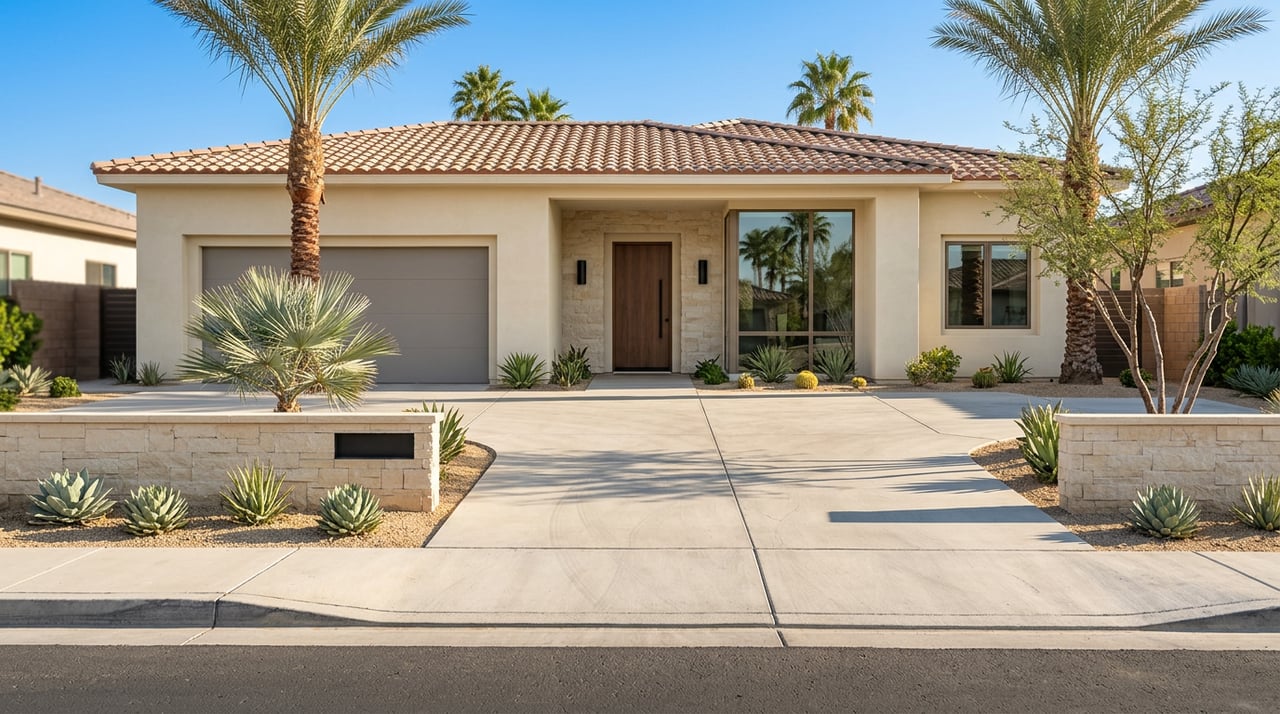
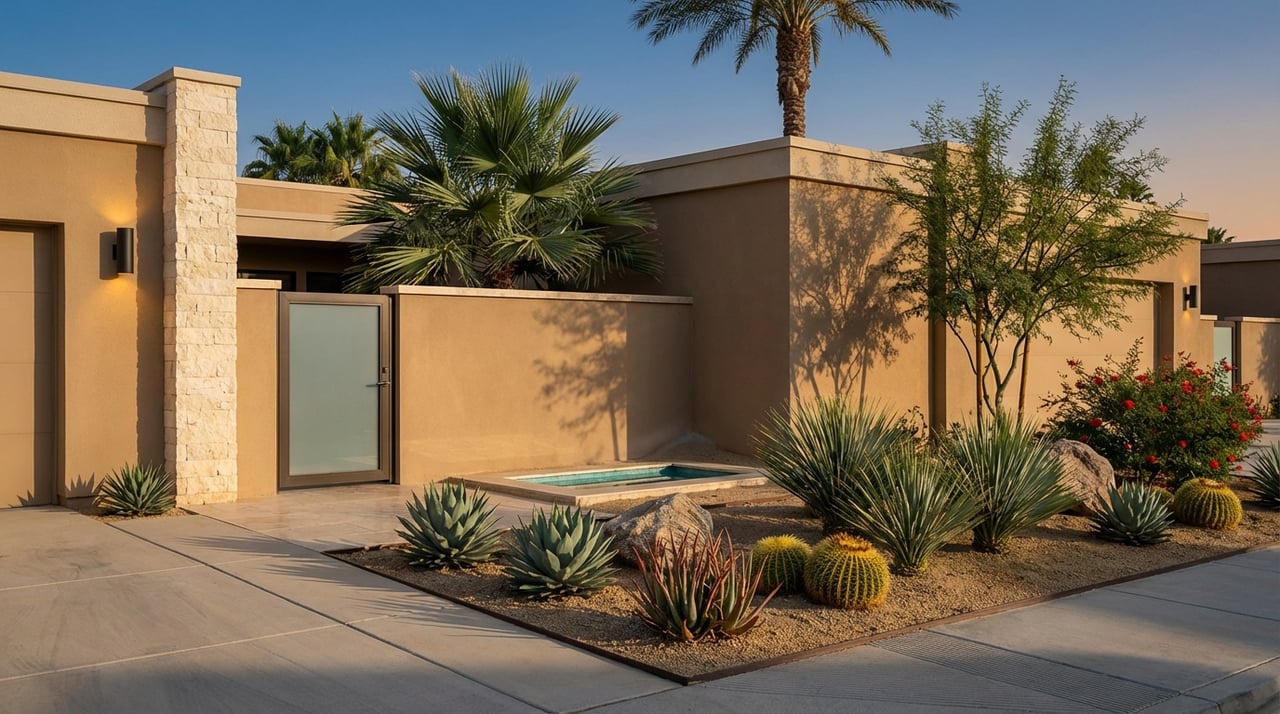
Courtyards and enclosed atria create privacy and calm, even on smaller lots. Early tract homes often feature carports, while later homes blend carports and enclosed garages. Most backyards center on a pool with patios sized for lounging and dining. Landscape choices range from classic palms and turf to low-water xeriscapes that highlight the desert’s natural texture.
Living, dining, and kitchen areas usually form one open zone aligned to the backyard and pool. Many homes are single-level, which adds convenience for daily life and aging in place. Bedroom wings sit off a central hall or in a separate zone for privacy. Some properties include compact guest casitas or converted spaces that support visitors or flexible use, subject to local rules.
You will find everything from efficient one-bedroom cottages to larger three- or four-bedroom estates. Lot size and orientation are key, shaping view corridors, privacy, and the scale of outdoor amenities. Original details like built-in cabinetry, terrazzo, or plaster walls add character and can influence value. Condition varies widely, so factor restoration needs into your search.
In Palm Springs, mid-century living feels effortless when the plan works with the climate. Mornings often start with light streaming through clerestories and a quick step into the courtyard for coffee. Days spill out to the pool and shaded patios, while evenings bring mountain silhouettes and indoor-outdoor dining. The best homes manage sun, breeze, and privacy so you can relax year-round.
Mid-century homes appear across the city, with notable concentrations in a few areas. Each neighborhood offers a different mix of proximity to downtown, lot sizes, and architectural character.
Neighborhood identity and lot orientation will influence your daily experience, from walkability to privacy and view lines. Spend time on-site at different hours to understand light, shade, and traffic patterns.
Design-focused buyers, second-home seekers, investors, and year-round residents are active in Palm Springs. Several factors typically shape pricing and demand:
The market is seasonal, with stronger activity in fall and winter. For current neighborhood-level data, partner with a local agent who tracks active inventory, recent sales, and time on market.
The desert climate shapes how you live and what you maintain. Long, hot summers and high UV exposure can fade finishes and stress building systems. Shade, insulation, and efficient cooling are key to comfort and cost control. Landscaping choices affect water use and upkeep, and many owners opt for low-water plantings.
Pools are central to the lifestyle but need consistent care. Expect ongoing attention to water chemistry, filtration, pumps, and occasional resurfacing. Budget for evaporation and seasonal service.
Many buyers aim to preserve original lines and key features while improving comfort and efficiency. Common upgrades include kitchens, baths, insulation, and high-efficiency HVAC and water heating. Smart controls and lighting integrate easily without changing the home’s character.
Select contractors and designers with mid-century and desert experience. Restoration can cost more than standard remodeling due to specialized methods and materials. Get multiple bids, ask for references, and prioritize teams who respect original design intent.
If a property sits in a local historic district or has a landmark designation, exterior changes may require review or permits. Some California jurisdictions use programs like the Mills Act to encourage preservation. Always confirm current procedures, eligibility, and requirements with Palm Springs Planning and Historic Preservation and the county assessor.
Palm Springs regulates short-term rentals. If rental income is part of your plan, review the city’s current ordinances, permitting steps, and any HOA rules before you buy. Regulations evolve, so verify details directly with the city.
Yes. With modernized HVAC, improved insulation, and thoughtful shading, many mid-century homes function well as full-time residences. Single-level layouts support long-term ease and accessibility. Focus your search on orientation, systems, and outdoor shade strategies to keep summer living comfortable.
You deserve a guided experience that blends architectural expertise, market insight, and concierge-level service. When you are ready to explore Palm Springs mid-century homes or discuss a strategic sale, connect with Scott James Properties. Schedule a Free Consultation.
Stay up to date on the latest real estate trends.
We pride ourselves in providing personalized solutions that bring our clients closer to their dream properties and enhance their long-term wealth. Contact us today to find out how we can be of assistance to you!