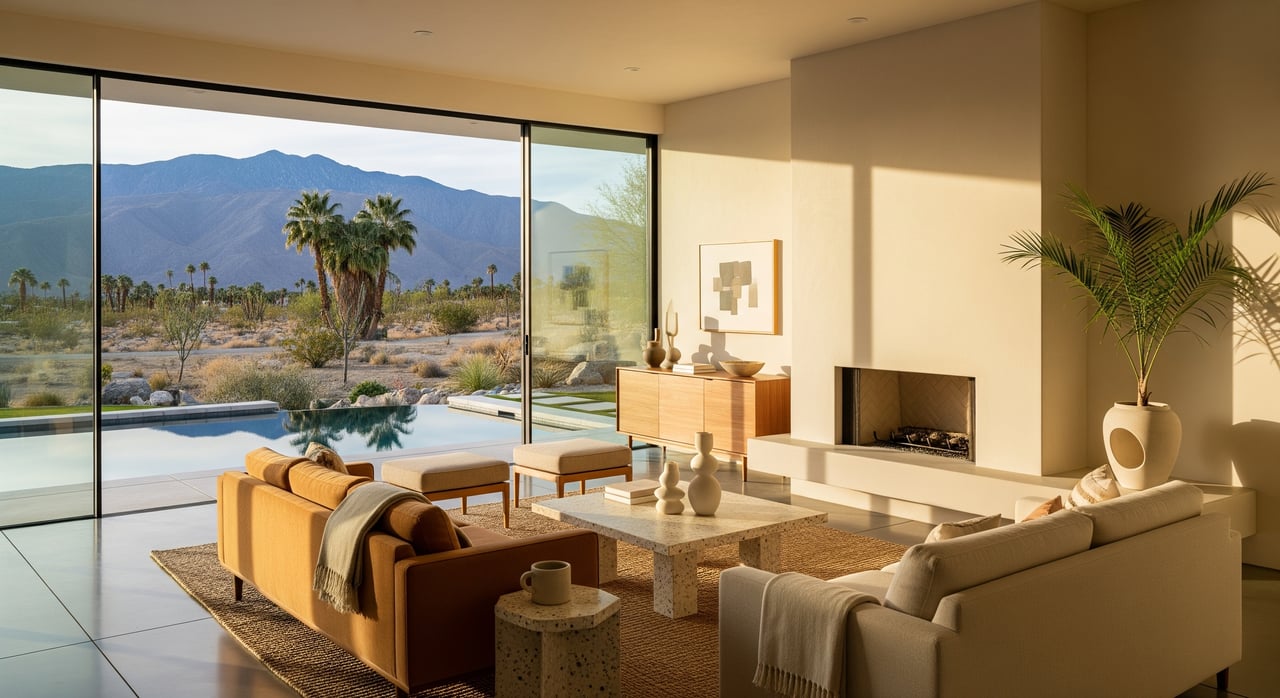
Trying to choose between a condo and a single-family house in Palm Desert? You’re not alone. Many buyers weigh privacy and space against convenience and amenities, especially when the desert lifestyle is calling. In this guide, you’ll see the real cost and lifestyle differences, the current price gap, and the rules that matter before you buy. Let’s dive in.
Palm Desert market snapshot
Price is often the first filter. According to the latest Desert Housing Report, median prices across the valley are about $675,000 for detached homes and $495,000 for attached homes. That puts attached homes at roughly 73% of the detached median, which explains why many buyers choose condos to stay in Palm Desert while lowering the upfront price. You can explore the full city-by-city snapshot in the GPSR Desert Housing Report.
What does that mean for you? If you value lower purchase price and turnkey living, condos can be compelling. If outdoor privacy and space top your list, single-family homes remain the gold standard.
Condo vs house: what matters most
Space and privacy
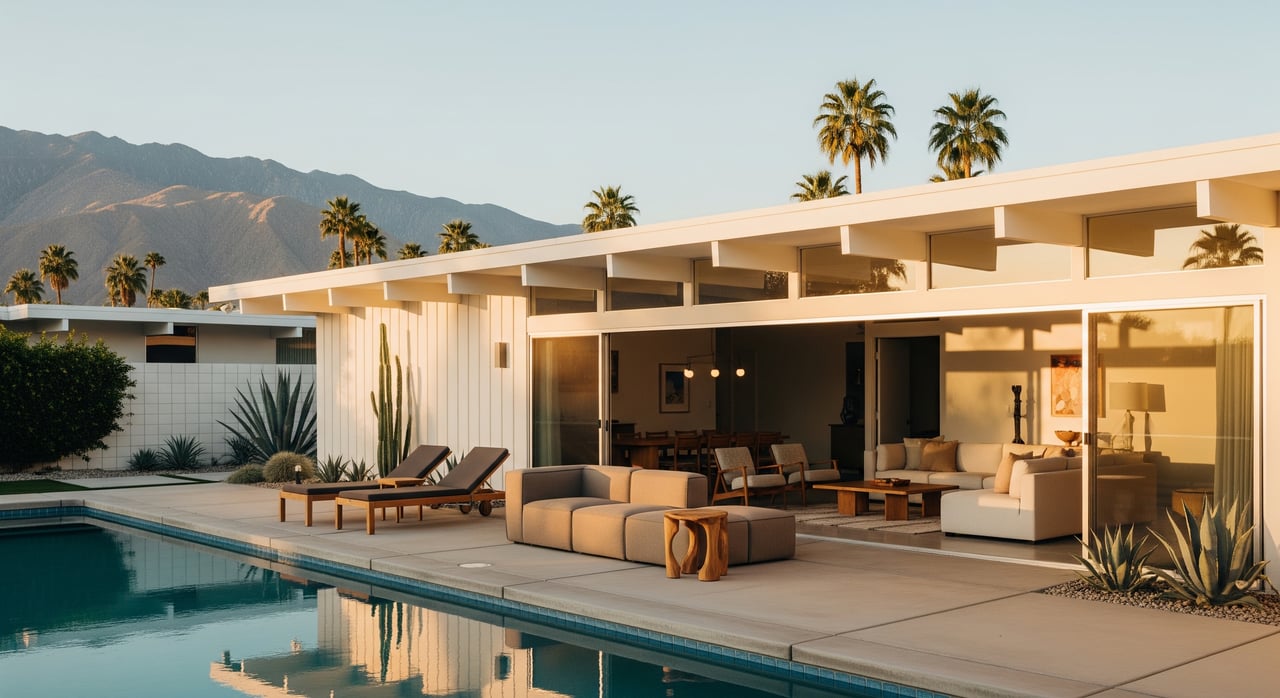
- Single-family homes give you a private yard, room for a personal pool, and separation from neighbors. You control landscaping, outdoor entertaining, and upgrades.
- Condos and townhomes typically have shared walls and smaller private outdoor areas like patios. You get lock-and-leave ease and shared amenities without the upkeep.
Maintenance and monthly costs
- Houses: Plan for ongoing upkeep. A common rule of thumb is to budget about 1% to 3% of your home’s value per year for maintenance, repairs, and replacements. Older homes or homes with pools can land on the higher end. See the guidance on building a budget from Fannie Mae.
- Condos: Many exterior items are handled by the HOA. Your monthly dues often cover exterior paint, roof reserves, common-area landscaping, pools and spas, and sometimes internet or cable. Whether the fee is “worth it” depends on what it includes.
- Pools: Private pools add service and utility costs. In California, professional service commonly ranges from about $80 to $250 per month, or roughly $800 to $2,000 per year, plus equipment over time. Review typical pricing from ProMatcher’s California pool cost guide.
Amenities and social life
- Condos in gated country-club settings often include fitness centers, tennis and pickleball, multiple pools, and clubhouse dining. This turns social life on without extra planning.
- Single-family homes inside similar club communities can access amenities too, while keeping full outdoor privacy and space.
Insurance and taxes
- Condos: You’ll usually carry an HO-6 policy that covers your interiors and personal property. The HOA’s master policy covers exteriors and common areas. Confirm what the master policy covers and consider loss-assessment coverage if needed. Learn more about HO-6 vs HO-3 differences from Hicks Insurance.
- Houses: You’ll carry an HO-3 or similar policy that covers the full structure. Premiums can be higher than HO-6 because you’re insuring more.
- Property taxes: Riverside County uses California’s Prop 13 base rate of 1% of assessed value plus local voter-approved assessments. Some neighborhoods include special taxes like Mello-Roos or CFDs. Always check the actual tax bill and any special assessments noted by the county. See details on special assessments from the Riverside County Assessor-County Clerk-Recorder.
Rental rules and STRs
If you plan to rent your property, there are two permission layers to review.
- City rules: Palm Desert requires a short-term rental permit and monthly remittance of Transient Occupancy Tax. The city collects 11% TOT on stays of 27 nights or less plus a 1% GPSTBID assessment. Get the requirements and operator permit info on the city’s TOT and STR permit page.
- HOA rules and state law: Under Davis-Stirling updates, HOAs can prohibit very short stays and set rental caps, but there are limits to what they can restrict. Read a plain-English overview of current rules at Krieger & Schubert’s Davis-Stirling summary. Always confirm the exact CC&Rs for the specific community and sub-association before you rely on rental income.
Community examples in Palm Desert
Every neighborhood has its own mix of home types, amenities, and HOA structures. Here are representative examples to help you picture the lifestyle fit.
Desert Falls Country Club
A guard-gated golf community with condos, villas, and some detached homes. Condo buyers often cite easy maintenance, resort pools, and courts. Many sub-associations report HOA dues around the mid-hundreds per month. Rental rules can vary by sub-association, so verify specifics in the CC&Rs.
The Lakes Country Club
A large condo community set around lakes and 27 holes of golf. It places a strong emphasis on clubhouse life and organized activities. Some listings show all-inclusive monthly dues that can approach the high teens per month when social or club components are bundled. Confirm which portions are HOA vs club.
Palm Valley Country Club
A gated condo community centered around golf and resort amenities. HOA dues generally sit in the high hundreds per month, with club membership options handled separately. Always confirm membership type and pricing for your unit and timeframe.
Indian Ridge Country Club
A private, gated club with both condos and detached golf homes. HOA dues vary by product and sub-association, with examples ranging roughly from the mid-hundreds to about a thousand per month. Equity club membership has separate costs.
Ironwood Country Club
A private club in south Palm Desert offering a range of housing types, including larger single-family homes. Buyers often choose Ironwood for bigger lots and a more private-club experience. Confirm HOA ranges and club membership requirements during due diligence.
Sun City Palm Desert (55+)
A master-planned active-adult community of single-family homes, known for extensive amenities, clubs, and programs. HOA fees are often more modest than private country-club condos, and they cover a wide array of community services. This is a popular choice for low-maintenance living without sharing walls.
Build your cost comparison
Create an apples-to-apples view of your shortlist properties before you write an offer.
- Purchase price and financing: Compare down payment and monthly principal and interest.
- HOA dues: List what is covered. Note separate club dues or assessments.
- Maintenance reserve: Use 1% to 3% of home value per year for detached homes. Use a condo interior reserve for appliances and systems.
- Pool costs: Add service, chemicals, utilities, and equipment reserve if the house has a pool. Reference common ranges from ProMatcher’s California pool cost guide.
- Insurance: Estimate HO-6 vs HO-3 based on coverage needs and the HOA master policy. See differences at Hicks Insurance.
- Property taxes: Use the 1% Prop 13 base plus local assessments. Confirm if any CFDs apply via the Riverside County special assessments page.
- Rentals: If income matters, model both long-term and short-term scenarios. Confirm the city permit process on the Palm Desert operator permit page and check HOA CC&Rs for minimum stay rules and caps.
Quick decision guide
Choose a condo if you want:
- Lower entry price relative to a house in the same area.
- Low-effort, lock-and-leave living with exterior maintenance handled.
- Built-in amenities like pools, fitness, and courts without the upkeep.
Choose a house if you want:
- Maximum privacy, outdoor space, and room for a private pool.
- Full control over landscaping, upgrades, and outdoor entertaining.
- Fewer monthly dues and the ability to tailor maintenance on your terms.
Smart due diligence steps
Your best leverage is clarity. Request the right documents and answers early.
- HOA disclosure packet: Ask for CC&Rs, bylaws, rules, current budget, reserve study, meeting minutes, insurance master policy, and unpaid assessment statements as outlined in California Civil Code Section 4525. See the statute summary at Justia’s Civil Code 4525 page.
- What the fee covers: Confirm line items like roof, exterior paint, landscaping, water, cable/internet, security, and whether any club dues are mandatory.
- Rental rules: Verify both the city permit/TOT requirements on Palm Desert’s site and the HOA’s CC&Rs, including minimum stays, rental caps, and insurance requirements. Start with the city’s operator permit page.
- Special assessments: Ask about recently approved or proposed projects and how costs are allocated to owners.
- Insurance: Review the HOA master policy type and deductibles. If “bare walls,” plan for a stronger HO-6. For single-family homes, consider the cost to insure a pool and outdoor features.
- Five-year view: Build a 5-year cash-flow comparison for your top two or three options. Factor dues increases, reserve contributions, and likely maintenance.
- State rental law basics: If renting matters, read a plain-language review of HOA rental restrictions under the Davis-Stirling Act at Krieger & Schubert.
Your next step
If you want the convenience of a condo but wonder about fees, we will help you unpack the HOA budget and reserves. If you lean toward a private pool and yard, we will forecast realistic maintenance and insurance so there are no surprises. When you are ready to compare real properties side by side, schedule a Free Consultation with Scott James Properties for a tailored plan.
FAQs
What is the typical price gap between condos and houses in Palm Desert?
- The latest valley snapshot shows attached homes around $495,000 and detached around $675,000, which puts condos at roughly 73% of the detached median. See the GPSR Desert Housing Report for details.
How much should I budget for house maintenance and a pool?
- A common planning range for home maintenance is about 1% to 3% of the home’s value per year, plus pool service that often runs $800 to $2,000 annually in California. See guidance from Fannie Mae and ProMatcher’s pool cost guide.
Can I operate a short-term rental in a Palm Desert condo?
- You need city approval and you must comply with HOA rules. Palm Desert requires a permit and collects 11% TOT plus a 1% GPSTBID on stays of 27 nights or fewer. HOAs can restrict short stays under state law limits. Start with the city’s operator permit page and review your CC&Rs.
Are HOA fees always cheaper than maintaining a house?
- Not always. Some high-amenity HOAs can equal or exceed the typical cost of house maintenance and pool service. The key is what the fee covers, the reserve health, and any club dues or special assessments.
How do property taxes work in Riverside County for Palm Desert homes?
- Property taxes start with the 1% Prop 13 base rate and then add local voter-approved assessments. Some areas include special taxes like CFDs. Review the tax bill and see the county’s special assessments overview for context.