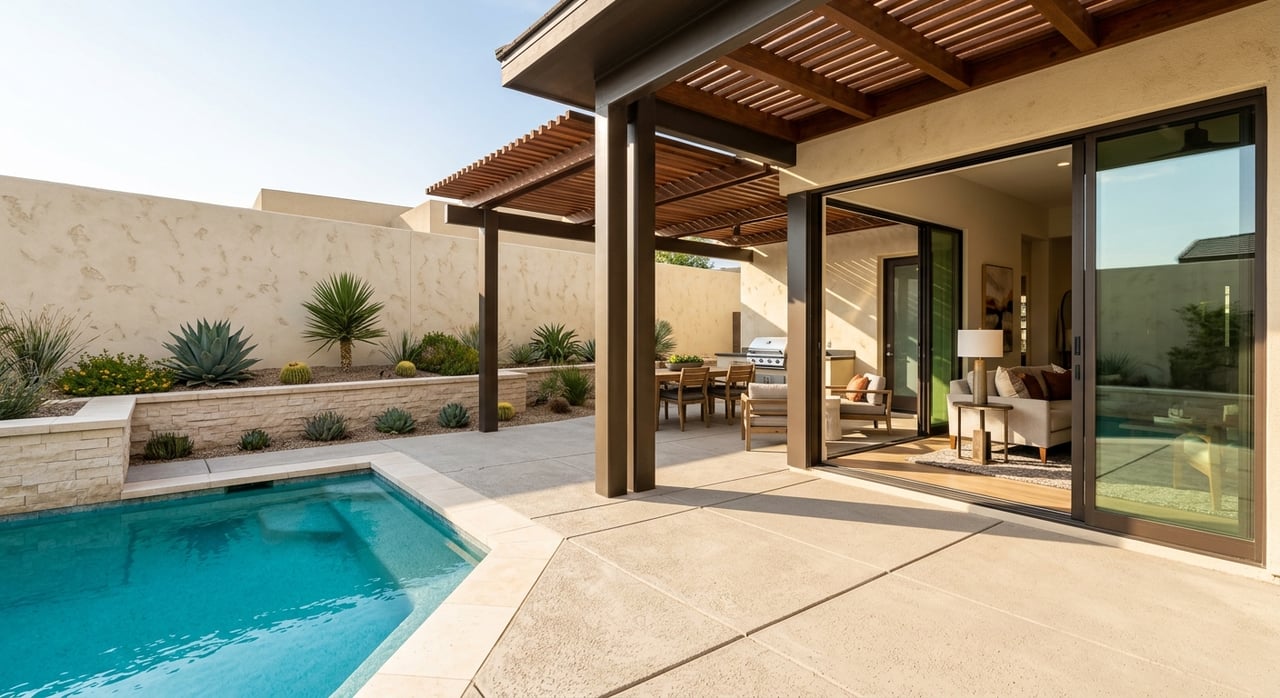
Your Timeline For Buying A Desert Second Home In Palm Desert
April 23, 2026
April 23, 2026
Buying a second home in Palm Desert can feel exciting and a little overwhelming at the same time. You may be balancing travel plans, financing details, seasonal timing, and the question of when to act. The good news is that with the right timeline, you can make smarter decisions and avoid last-minute stress. Let’s walk through what your Palm Desert second-home timeline can look like.
Palm Desert’s seasonal rhythm matters more than many out-of-area buyers expect. The city describes itself as a year-round resort community with about 350 days of sunshine and more than 30,000 seasonal residents, which helps explain why second-home activity often follows the winter and spring visitor cycle. According to Greater Palm Springs weather information, fall, winter, and spring each offer a different way to experience the desert.
If you want the broadest selection, late fall through early spring is usually the strongest shopping window. A recent GPSR market report notes that Coachella Valley inventory is typically highest around the turn of the year, and Palm Desert has been identified as the valley city with the largest inventory. That can give you more options if you want to compare homes, communities, and layouts before making a decision.
If you prefer a quieter trip, fall can be an excellent preview season. Local tourism sources describe October and November as a kind of secret season, with comfortable average temperatures and easier travel logistics than peak winter. Summer can also offer a useful contrast visit, but inventory tends to be lower then, according to GPSR’s desert housing report.
For most buyers, a realistic timeline starts at least two to four months before you hope to close. That gives you time to get financially ready, schedule a scouting trip, narrow your priorities, and leave room for the mortgage and closing process. If you are buying from outside the area, a little extra lead time can make the process much smoother.
A simple way to think about it is this:
This structure helps you stay ahead of deadlines instead of reacting to them.
Before you book serious tours, make sure your financial foundation is in place. The CFPB homebuying readiness checklist recommends reviewing your income stability, credit, debt levels, down payment funds, and your budget for insurance, taxes, repairs, closing costs, and moving expenses.
For a second home, the financing rules are not exactly the same as for a primary residence. Fannie Mae’s occupancy guidance says a second home must be occupied by you for part of the year, must be suitable for year-round occupancy, must remain under your exclusive control, and cannot be a rental property or timeshare. Freddie Mac also publishes a maximum 90% loan-to-value for a second-home purchase, which means 10% down is the conforming ceiling, though some lenders may set stricter standards.
You should also budget for closing costs. Fannie Mae’s buyer guidance notes that closing costs often run about 2% to 5% of the mortgage amount, and conventional loans typically require private mortgage insurance when your down payment is under 20%.
The best time to tour depends on what you want to learn from the trip. If you want to experience Palm Desert when seasonal activity is strongest, winter and early spring are ideal. Visit Greater Palm Springs reports that paid occupancy in professionally managed vacation homes rose from 23% in November and December 2025 to 33.8% in January 2026 and 47.7% in February 2026, showing how much busier the region becomes during peak season.
That matters because a second home is also a lifestyle purchase. Touring during winter or early spring can help you understand traffic patterns, activity levels, and the general feel of the area when many seasonal owners are in town. If that is your plan, book flights and accommodations early because availability can tighten during the busiest visitor months.
Fall works well if you want pleasant weather with a little more breathing room. Late summer can still be useful if you want to see the off-peak side of desert living, but it may not give you the same range of listings to compare.
Palm Desert remains active, but it is not showing signs of a runaway market. Zillow data reported a typical home value of $554,373 as of March 31, 2026, with 1,029 homes for sale and a median 51 days to pending. Realtor.com market data showed a February 2026 median sale price of $589,000, about 1,300 homes for sale, a median 54 days on market, homes selling for about 2.5% below asking on average, and a balanced-market reading.
For you, that creates a useful middle ground. You may have time to compare options, but strong listings can still move within weeks rather than months. That is why getting pre-approved before serious touring is so important. It puts you in position to act when the right property appears.
Once you identify the right home, your timeline gets more precise. In a balanced market, you still want to move with purpose. Waiting too long to organize paperwork or clarify your budget can put unnecessary pressure on your decision-making.
Before making an offer, make sure you have:
This is especially important for second-home buyers who may be coordinating travel, remote document signing, or ownership planning from another city.
After your offer is accepted, think in terms of weeks, not days. The CFPB home loan toolkit says the median application-to-closing timeline was 44 days, and the median time from the first Loan Estimate to the last Closing Disclosure was 38 days.
That means your accepted offer is really the start of a new phase. You should expect document requests from the lender, a home inspection, title work, insurance shopping, and underwriting review. The CFPB closing guidance also reminds buyers to confirm that the expected closing date fits inside the rate-lock period and to review the Closing Disclosure carefully.
Just as important, your lender must provide the Closing Disclosure at least three business days before closing. That final review period is mandatory, so it should be built into your calendar from the start.
Your timeline should not stop at closing day. A second home budget works best when you plan for recurring costs in advance, including taxes, insurance, HOA dues if applicable, and maintenance.
Common closing and ownership-related expenses can include:
For property taxes, Riverside County says the first installment becomes delinquent after December 10 and the second after April 10, with a 10% penalty for late payment. The county also notes that California property tax is generally limited to 1% of assessed value plus voter-approved bonds and indebtedness under Proposition 13, according to Riverside County tax deadline information.
If you want a practical model, here is a straightforward second-home buying timeline for Palm Desert:
Review your finances, talk with a lender, and confirm what type of second home fits your goals. Decide whether you want to shop during fall, winter, or spring based on the lifestyle you want to experience.
Schedule your Palm Desert tour, either in person or with remote showing support. Use this phase to compare neighborhoods, home styles, and amenities, while keeping your budget and timing in focus.
Make your offer with a pre-approval in hand. Once accepted, move quickly on inspections, insurance, lender documentation, and title work.
Review your Closing Disclosure, confirm funds and signing details, and prepare for ownership costs after closing. Make sure all final steps align with your lender’s timeline and any travel plans you have.
Second-home purchases often involve more moving parts than a local primary-home purchase. You may be coordinating from another market, trying to match your buying trip to Palm Desert’s seasonal rhythm, and balancing financing with a lifestyle decision.
That is where experienced local guidance can make a real difference. A concierge-style buying process can help you narrow options faster, schedule tours efficiently, and keep your transaction timeline on track from pre-approval to closing. If you are planning your Palm Desert second-home purchase, connect with Scott James Properties for tailored guidance and a polished, local-first approach.
Stay up to date on the latest real estate trends.
We pride ourselves in providing personalized solutions that bring our clients closer to their dream properties and enhance their long-term wealth. Contact us today to find out how we can be of assistance to you!