Selling An Architectural Home In Palm Springs The Right Way
April 16, 2026
April 16, 2026
If you own an architectural home in Palm Springs, you already know it should not be sold like a standard resale. Buyers are not just evaluating square footage or bedroom count. They are also responding to design pedigree, originality, historic context, and how well the home expresses Palm Springs living. When you approach the sale strategically, you can protect the home’s story and improve how it performs in the market. Let’s dive in.
Palm Springs has a distinct architectural identity, and that shapes how buyers view design-significant homes. The city’s Community Design Element highlights Palm Springs as a place known for Mid-Century Modern architecture, preservation of historic resources, view corridors, and materials that fit the desert environment.
That matters when you sell. In this market, architectural value often comes from provenance and integrity, not just finishes or floor plan size. A buyer looking at a notable Palm Springs property may care as much about authorship, restoration quality, and original features as they do about updated appliances.
Market conditions also support a disciplined approach. According to Redfin’s Palm Springs housing market data, the median sale price was $650,000 in February 2026, average days on market were 94, and the sale-to-list ratio was 97.2%. Even in a city with strong design appeal, pricing and positioning still matter.
Before your home goes live, gather the documents that explain what makes it important. This step helps buyers understand the home beyond surface-level visuals, and it gives your listing more credibility from day one.
Palm Springs offers excellent resources for this work. The city’s digital history collaborative includes searchable historical documents, maps, photographs, blueprints, and other records that can help support architect attribution, period details, and the property’s evolution over time.
A strong provenance package may include:
This is especially important in Palm Springs because significance is often tied to context and integrity. The city’s historic survey resources and the National Park Service’s rehabilitation standards both reinforce the value of preserving historic character and documenting distinctive features.
Do not wait until a buyer asks questions about historic status. If the home is designated, contributes to a district, or may qualify for recognition, that can shape your disclosures, pricing strategy, and any pre-listing improvement decisions.
Palm Springs provides guidance through its historic designation resources. Reviewing that framework early can help you avoid surprises and make smarter choices before the listing launches.
If your home has a Mills Act contract, clear explanation is essential. The city’s Mills Act bulletin explains that the contract runs with the land, transfers to a new owner, includes a 10-year term with annual renewal, and may provide property tax relief in some cases of up to 40% to 60%. It also comes with preservation obligations and periodic inspections, so buyers need the full picture.
One of the biggest mistakes sellers make is over-improving a design-significant home in ways that weaken its identity. A generic refresh may feel safe, but changes that remove original materials or alter defining features can undercut the architectural story that makes the home valuable.
The National Park Service rehabilitation standards emphasize retaining historic character and using compatible new work. In practical terms, that means you should think carefully before replacing original details, changing sightlines, or introducing finishes that conflict with the home’s era or design language.
If updates are needed, focus on choices that support livability without erasing what makes the home special. In Palm Springs, buyers of architectural properties are often looking for authenticity as much as convenience.
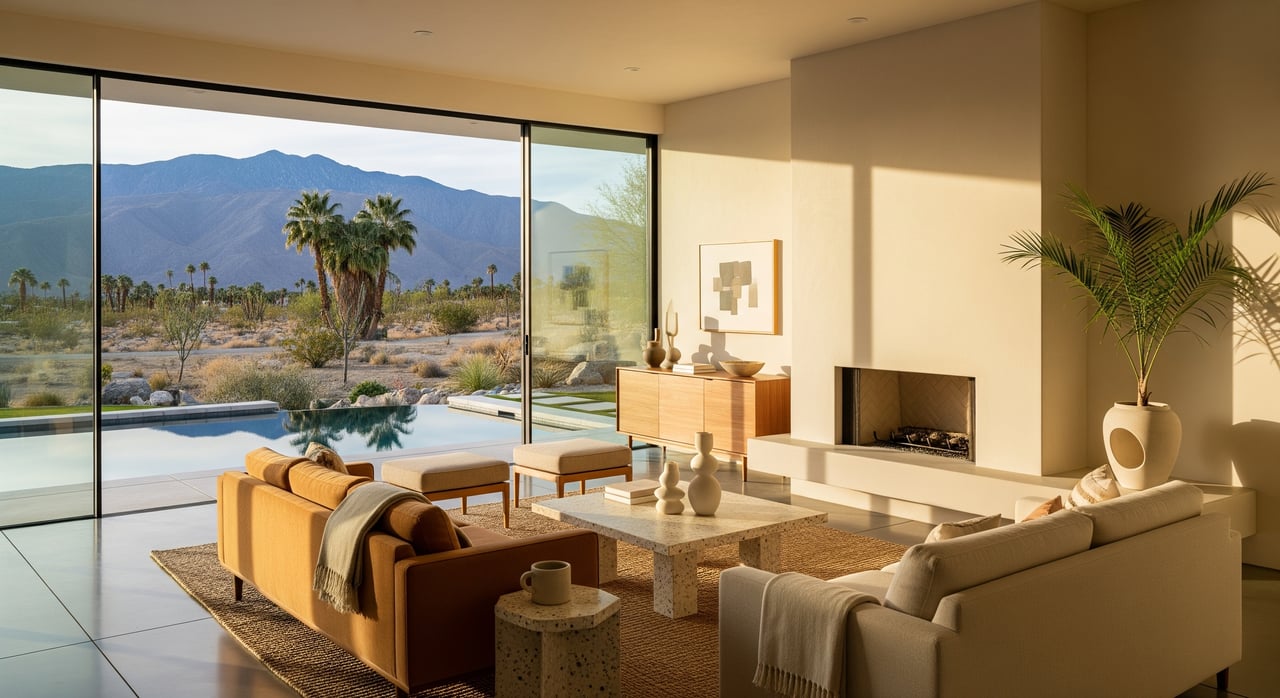
For an architectural home, presentation should reveal the design, not compete with it. Your listing media should make it easy for buyers to understand how the home sits on the lot, how light moves through the spaces, and how indoor-outdoor living works.
That matters because staging and visuals influence buyer response. In the National Association of Realtors 2025 Profile of Home Staging, 73% of buyers’ agents said photos were much more or more important, 57% pointed to physical staging, 48% to videos, and 43% to virtual tours. The same report found that 17% said staging increased the dollar value offered by 1% to 5%.
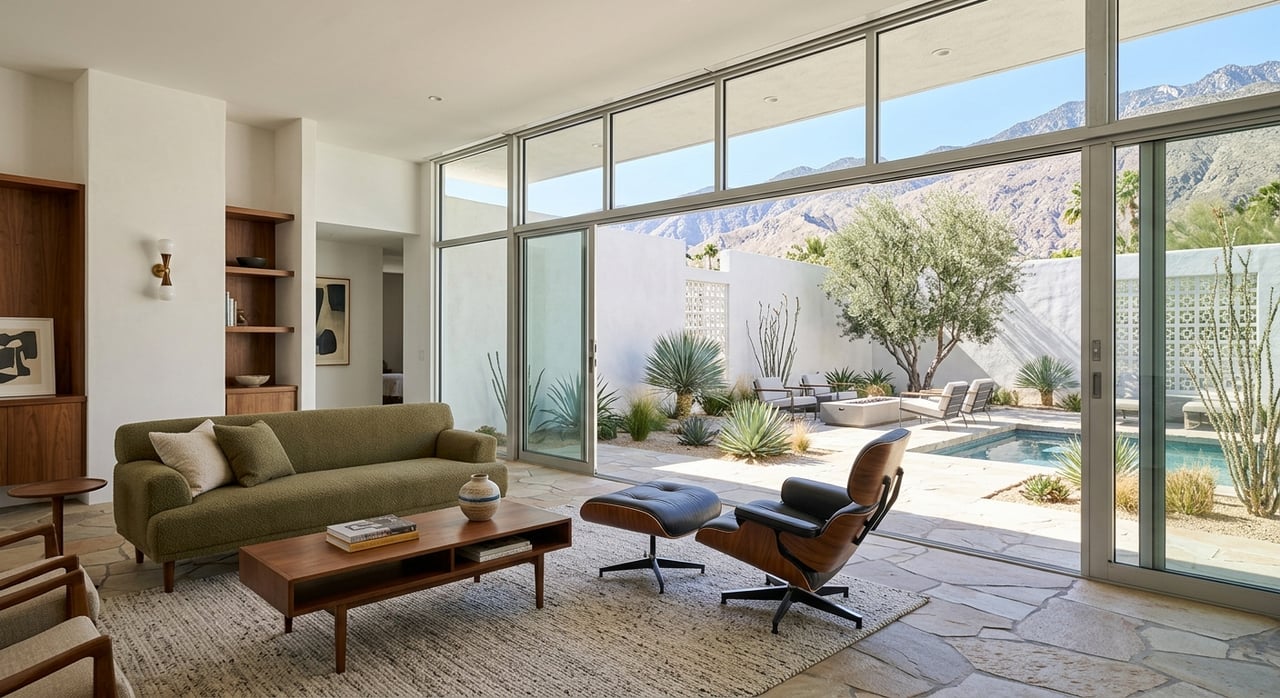
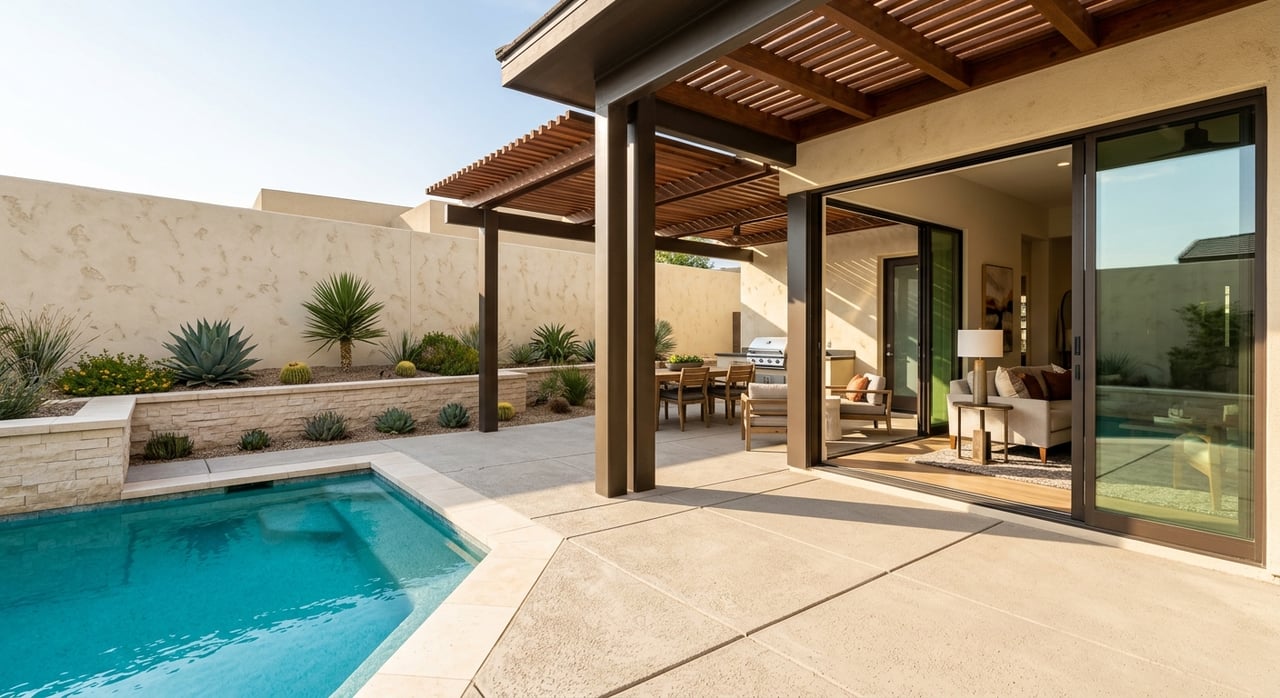
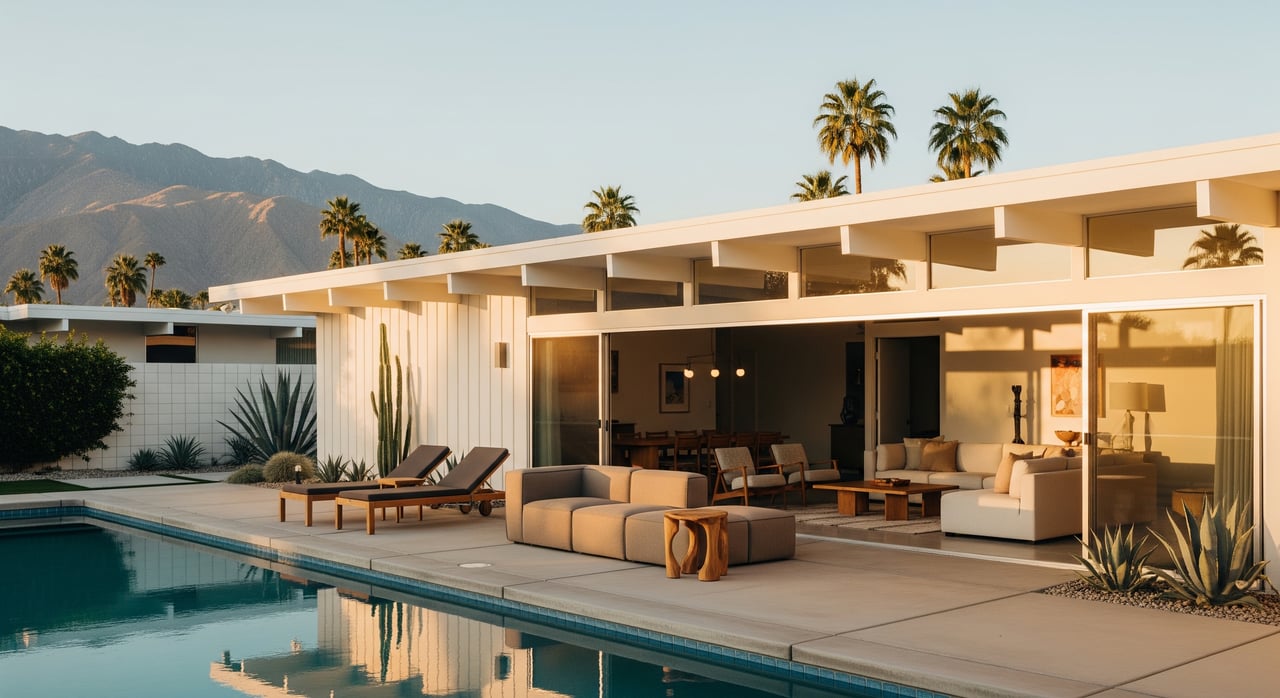
For Palm Springs architectural homes, restrained staging usually works best. Keep décor secondary to the home itself so buyers can focus on glass walls, shadow lines, breeze blocks, desert landscaping, pools, and the relationship between structure and site.
If you are staging selectively, start with the rooms buyers notice most. NAR’s survey identified the living room, primary bedroom, dining room, and kitchen as the most commonly staged spaces.
That does not mean every corner needs to be filled. In many architectural homes, less is more. Clean lines, edited furnishings, and clear circulation help the design read better both in person and on camera.
Photos should do more than document the property. They should interpret the house in a way that helps buyers understand why it feels special.
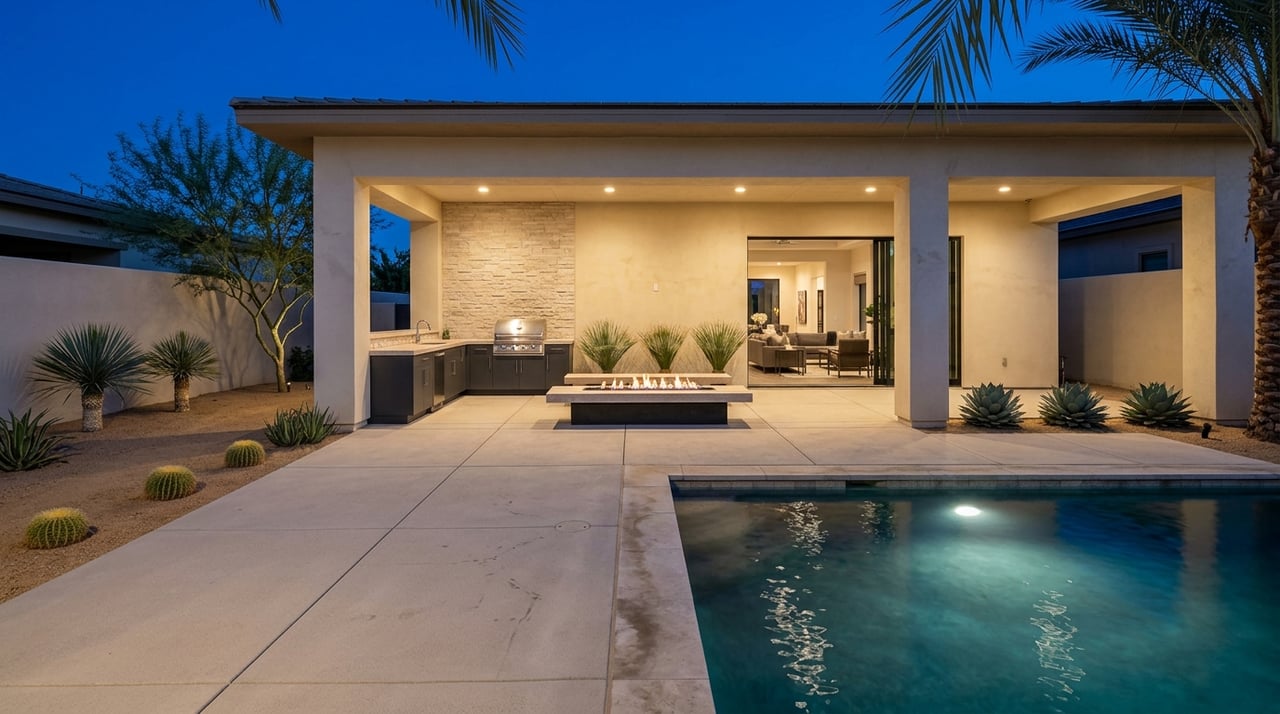
Realtor.com’s listing photography guide recommends high-resolution images, strong timing, correct white balance, a thoughtful shot list, and horizontal framing. For Palm Springs, exterior timing is especially important because desert light can dramatically change the mood and character of the architecture.
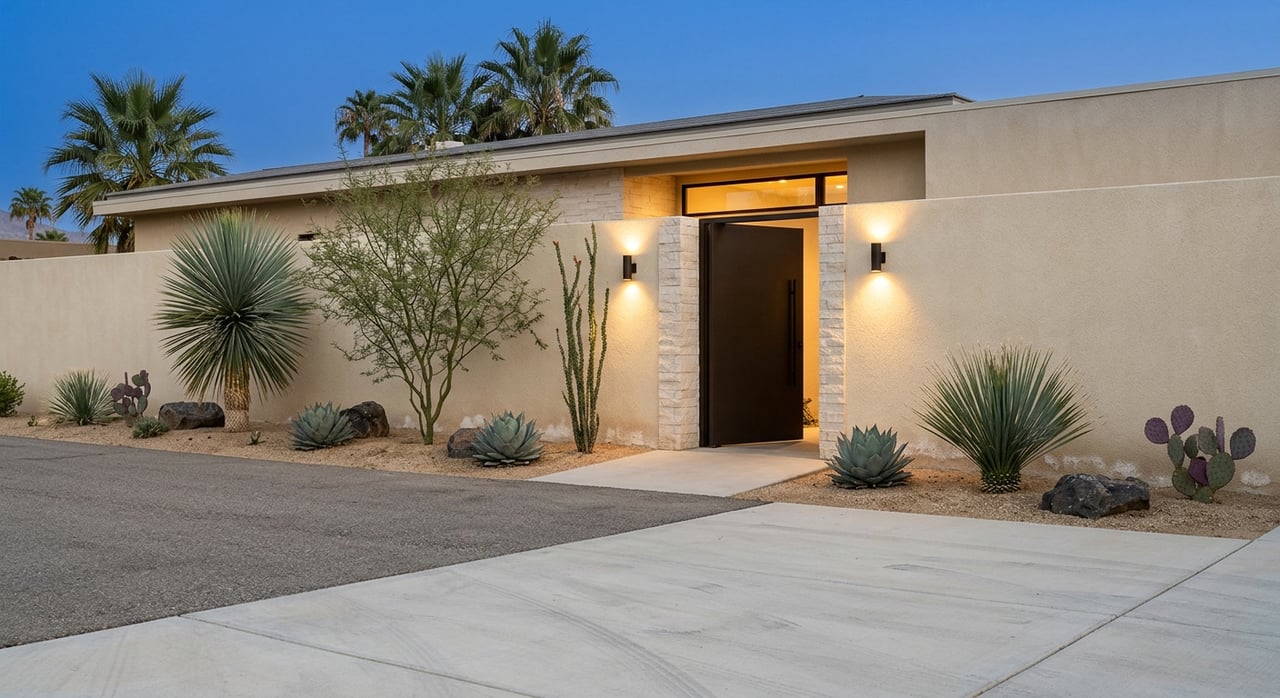
Rear and side elevations also deserve attention, not just the front facade. That aligns with Palm Springs’ broader design emphasis on the whole structure and preserved view corridors, as described in the city’s design policies.
Still images are essential, but video can show what static photos cannot. It can connect architecture to movement, landscape, and daily experience in a way that feels immersive for both local and out-of-area buyers.
A 2025 piece in Architect Magazine noted that architectural imagery helps define and preserve modernist culture, and that effective real estate photography tells the story of why someone would want to live in the home. In Palm Springs, that story often includes mountain views, indoor-outdoor transitions, privacy, desert planting, and the quality of light throughout the day.
Architectural homes should not be priced as if they are interchangeable with the broader market. Citywide trends are useful context, but they are only the starting point.
As noted earlier, Redfin’s current Palm Springs market snapshot shows 94 average days on market, 8.6% of homes selling above list, and 25.4% with price drops. That suggests overpricing can still slow momentum, even in a market with strong buyer interest.
For a design-significant property, a tighter comp set usually makes more sense than a generic CMA. The Appraisal Foundation’s guidance on comparable properties emphasizes whether another property is truly comparable, and that is a critical distinction with architectural homes.
When pricing, factors may include:
In other words, the right price reflects the home’s architectural relevance as well as its location and size.
A notable Palm Springs home often appeals to a smaller but highly motivated audience. That means your marketing should go beyond broad exposure and reach buyers who actively value architecture and design.
Palm Springs already has a built-in design ecosystem. The city’s Modernism Week programming and tours keep local architecture in the public eye, and those tours spotlight areas such as Movie Colony, Old Las Palmas, Vista Las Palmas, Historic Tennis Club, and Twin Palms. The same city resource also reflects the broader architecture audience that follows Palm Springs as a design destination.
That broader reach matters because Palm Springs attracts out-of-area interest. Redfin’s market page notes inbound search activity from major metros such as San Francisco, Boston, and Seattle. For sellers, that supports a marketing strategy built around curated exposure, architecture-focused storytelling, and high-quality digital presentation that can travel well.
This is where a tailored campaign matters. A thoughtful launch may include strong listing media, private previews, targeted email, and story-driven marketing that helps the right buyer understand the home quickly.
Selling an architectural home the right way is not about adding hype. It is about reducing friction, protecting value, and helping buyers see what makes the property worth serious attention.
When you document provenance, verify status, present the architecture clearly, and price with discipline, you create a cleaner path to the right offer. That is especially important in Palm Springs, where the best homes often attract buyers who are thoughtful, design-aware, and willing to wait for the right opportunity.
If you are preparing to sell a modernist, mid-century, or architecturally significant home in Palm Springs, working with a team that understands presentation, storytelling, and strategic exposure can make a meaningful difference. Connect with Scott James Properties to schedule a consultation and build a sale strategy that matches the home’s design significance.
Stay up to date on the latest real estate trends.
We pride ourselves in providing personalized solutions that bring our clients closer to their dream properties and enhance their long-term wealth. Contact us today to find out how we can be of assistance to you!